Buying Second-Hand Rods and Reels: What to Inspect Before You Pay
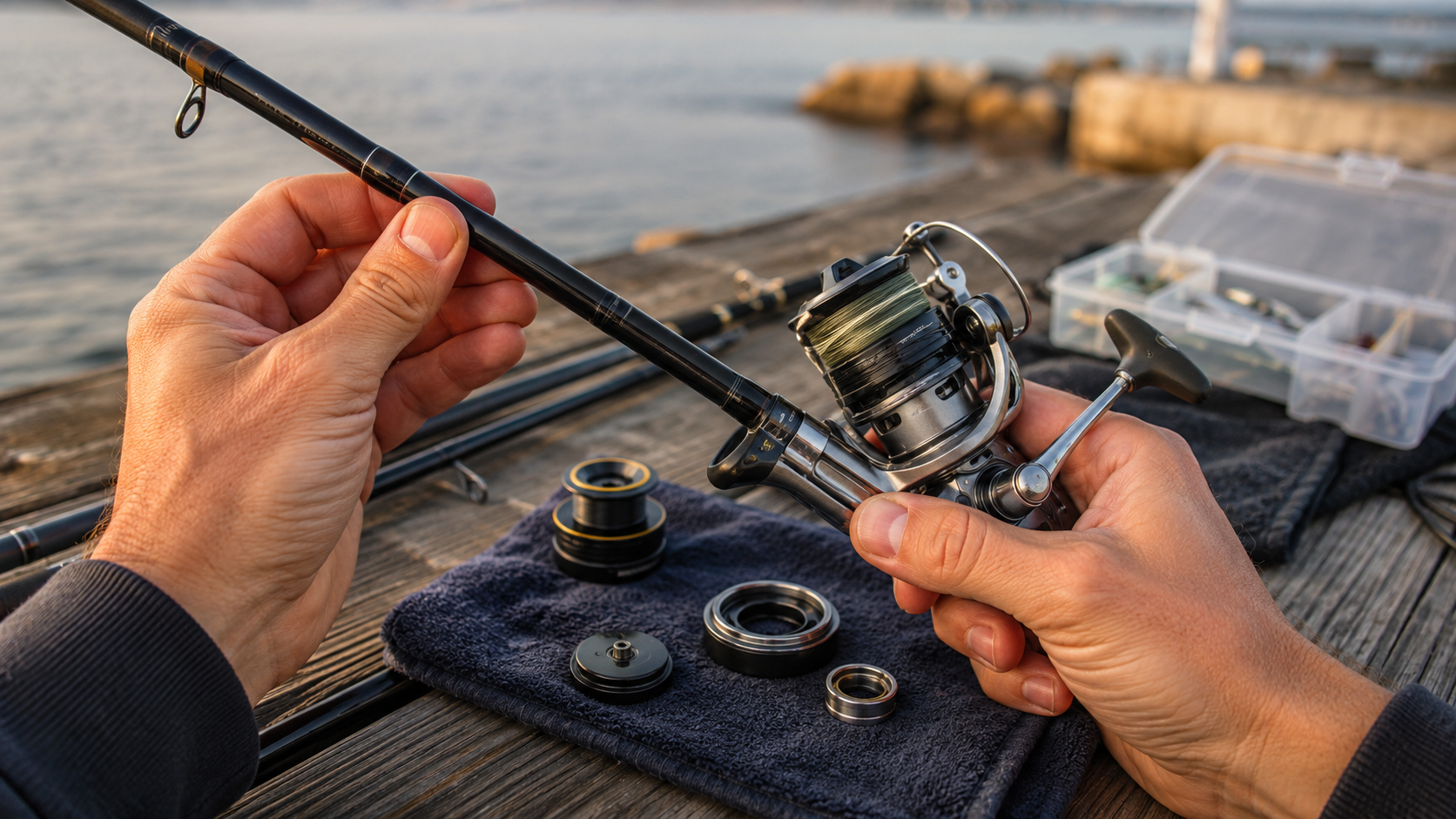
Why used tackle still makes sense in Australia
Plenty of solid rods and reels change hands around Sydney every season, from estuary spin outfits for bream and flathead through to heavier sticks for mulloway, kingfish and Spanish mackerel. Buying second-hand can stretch your AUD further, but only if you inspect gear like a sceptical angler, not a bargain hunter in a hurry. Aussie Tackle Box puts the checks first so you avoid cracked blanks, seized drags and “nearly new” reels that have lived in a salt spray for years.
This guide covers what to look at on rods and reels before you pay, how to judge fair value without inventing exact street prices, and when to walk away. Use it for garage sales, online listings, club noticeboards and mate-to-mate deals. If you need broader context on matching power, action and line class to target species, keep your notes alongside any comparison work you already do on rod selection.
Before you meet the seller
Ask for clear photos in natural light: full rod length, tip section, butt and reel seat, both faces of the reel, the spool lip, handle knobs and the foot where the reel clamps on. Request the brand, model, length in metres or centimetres, stated line class in kilograms, and whether the outfit was used in freshwater, estuary or open ocean. Southern hemisphere summer heat and winter cold both stress plastics and greases, so ask how the gear was stored between trips.
- Confirm original intended use: soft plastics for bream, bait rigs for tailor, trolling for barra or mangrove jack, or heavy work for murray cod and kingfish.
- Ask about crashes, tip breaks, respooled line, aftermarket handles and any service history.
- Agree on a dry, well-lit meeting spot; never buy wet gear you cannot fully inspect.
- Bring a small torch, a soft cloth, a short length of leader and, if you own one, a simple spring scale for rough drag feel in kilograms.
Rod inspection checklist
Start at the tip and work to the butt. Flex the blank gently with the tip protected; you want a smooth curve without flat spots, grinding noises or visible stress rings. Hairline cracks often show as pale arcs under side light. Check every guide frame and insert for chips, grooves and corrosion. A single sharp insert will shred braid on the first solid flathead or mulloway.
Blank, joints and fittings
- Sight down the blank for twists, repairs and cloudy resin patches that suggest a prior break.
- On multi-piece rods, join sections fully; look for oval wear, crushing and loose ferrules.
- Reel seats should clamp firmly without cracked hoods or stripped hood threads.
- Cork or EVA grips need to be secure; soft, crumbling EVA and black mould under grips are walk-away signs for saltwater history done poorly.
- Check wrapping thread and epoxy for lifting, yellowing and soft spots—especially near the stripper guide and tip top.
Match length and power to how you actually fish around Sydney and further afield. A light 2.1–2.4 m spin rod may suit harbour bream and soft plastics, while a stouter piece is safer for rocks, kayak work and larger tailor or kingfish. Do not buy length or “PE rating” stickers alone; feel the action with the reel mounted if the seller allows a safe dry flex.
Reel inspection checklist
Spin, baitcaster and overhead reels fail in predictable ways: salt in the bearings, worn pinion gears, bent bail wires, scored spool lips and drags that stick then surge. Turn the handle slowly under light finger pressure on the spool. Grinding, clicking that is not normal anti-reverse chatter, or a rough spot each revolution usually means internal trouble.
Body, rotor, spool and drag
- Open the bail; it should spring positively and sit true. Bent bail wires and sticky rollers nick line.
- Inspect the spool lip for dings; even small nicks catch braid and weaken leaders meant for barra or mangrove jack.
- With the drag set light then firmer, pull line smoothly. Look for consistent resistance, not a grab-release pattern.
- Check handle knobs, cap screws and the reel foot for cracks and oval bolt holes.
- Shake gently near your ear; loose debris or detached weights inside are a bad sign.
- If the seller claims a recent service, ask what was replaced—bearings, grease type, one-way clutch—not just “cleaned”.
For baitcasters, thumb the spool and watch for side play, uneven braking and frame flex. Free-spool should slow predictably when brakes are stepped up. For larger threadlines used on Spanish mackerel or heavy reef work, pay extra attention to rotor play and whether the drag washers feel glazed or burnt.
Line, terminal tackle and hidden costs
Treat old line as disposable. Sun-faded braid, rusty wire traces and stiff mono are not a bonus; plan to strip and respool. Factor fresh braid or mono, leader material, a basic service kit and possible guide inserts into your mental budget in AUD. A cheap reel that needs bearings, a new bail spring and a full clean is rarely cheaper than a better-cared-for unit at a higher asking price.
- Remove or ask the seller to remove old hooks and heavily corroded swivels before close handling.
- Note whether spare spools, pouches or paperwork are included—useful, but never a substitute for mechanical condition.
- If line remains on the spool, check how deep it sits and whether the top layers are fused or salt-crusted.
Fair value without guesswork theatre
Compare the asking price with current retail for the same or nearest current model, then discount for age, cosmetic wear, missing box and unknown service life. Popular estuary sizes move quickly; obscure heavy tackle may sit longer. Do not invent “market averages” from thin air—use live listings and shop shelves as your reference, and leave room for the cost of a professional clean if you are not servicing reels yourself.
Be wary of rushed stories, refusal to allow a hands-on check, or pressure to pay before you have flexed the blank and turned the handle. Meet in a public place during Mon–Fri: 09:00 – 17:00 (AEST) if you can, and keep communication on record for pickup arrangements. For questions about local norms or gear matching, Aussie Tackle Box can point you to practical selection advice; contact [email protected] or +61275903570 when you need a steer on categories rather than a valuation promise.
Species and fishery notes that affect wear
Estuary work on bream, flathead and mulloway often means sandy grit in foot threads and light corrosion in places people forget to rinse. Rock and beach sessions with tailor add spray and knocks to guides. Tropical trips for barra and mangrove jack cook greases in high heat. Southern winters are kinder on UV but can leave damp gear in sheds. Always rinse and dry purchases before storage, and learn your state bag limits, size rules and gear restrictions before you fish—tackle condition does not replace legal compliance.
Quick go / no-go summary
Buy when the blank is straight and crack-free, guides are smooth, the reel turns cleanly, the drag is progressive and the price still makes sense after a planned respool and service. Walk away from cracked seats, crunchy bearings, repaired breaks on light rods you need to trust, and sellers who will not let you inspect. Take your time, stay polite, and remember that good used gear exists—but the best second-hand deal is the one that still works on the water next season.
Keep receipts or written notes of what was claimed on the day. Then set the outfit up properly: balanced line class in kilograms, suitable leader, and a rig matched to your target, whether that is soft plastics in the harbour or heavier presentations further afield. Careful inspection now beats a snapped tip on the first solid fish later.

Navigation
See also
FAQ