Metal Slugs and Slices for Tailor, Salmon and Chopper Sessions
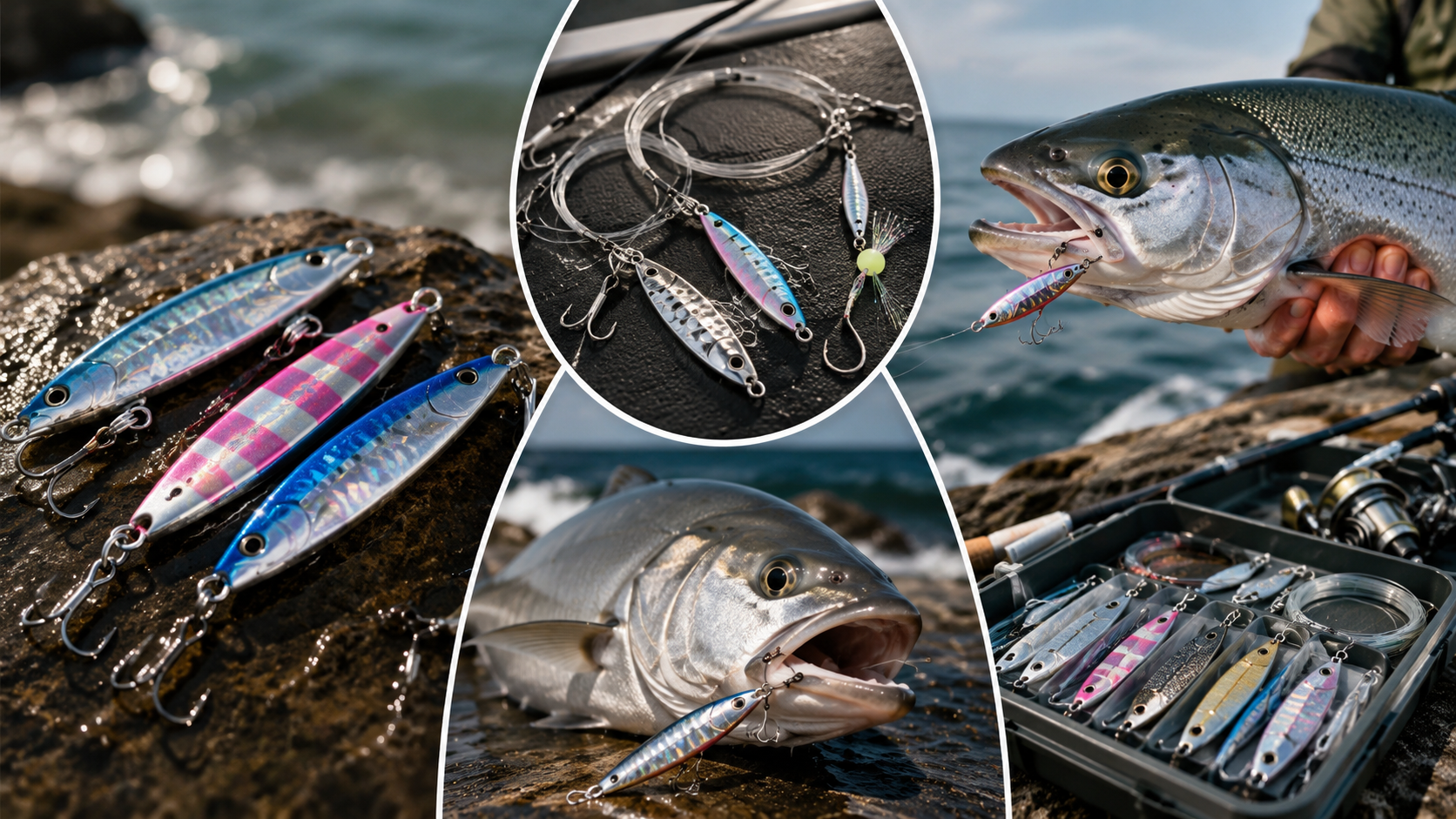
Why metals still earn a spot in the box
When bait schools push close along Sydney’s beaches, headlands and harbour walls, few lures match the speed and flash of a well-chosen metal slug or slice. Tailor, Australian salmon and the smaller choppers that shadow whitebait all respond to a compact profile that casts a long way and stays in the strike zone on a fast retrieve. This guide keeps the focus on recreational spinning with metals so you can build a simple, repeatable set-up without overcomplicating the session.
Metals shine when fish are roaming, wind is up, or you need distance from a crowded rock ledge. They also travel light in a kayak or small craft, which suits quick dawn runs before work. Pair them with sound line and leader choices and you cover most warm-season and cool-season surface feeds around Sydney.
Slug versus slice: matching profile to the feed
Slugs are thicker, denser bars that punch into a headwind and sink quickly. Slices are flatter or keeled and often flutter or kick on the drop and on a paused retrieve. Both catch fish; the difference is how they present in the water column.
- Slugs (10–40 g typical beach and rock range): best when tailor and salmon are harassing bait high in the water and you need long casts past the breakers.
- Slices (8–30 g common): useful when fish are slightly deeper, on a slower day, or when a side-to-side wobble draws more follows from wary choppers.
- Heavier metals (40 g+): reserved for big wind, deep washes or kingfish-style casts from higher rock; overkill for pure chopper work in calm gutters.
Carry a short ladder of weights rather than one “hero” size. A 15 g, 20 g and 28–30 g set covers most Sydney beach and wall sessions in metric terms without filling the whole tray.
Rod, reel and line that suit metal work
Metal spinning rewards a rod with a crisp tip and enough backbone to set hooks at range. A 2.1–2.9 m light–medium or medium spin rod rated roughly for 7–40 g lures is a practical all-rounder for tailor and salmon metals. Longer blanks help beach distance; slightly shorter sticks feel nicer on tight rock platforms.
Match a 2500–4000 size spin reel spooled with 6–10 kg braid and a clear monofilament or fluorocarbon leader in the 7–12 kg class, stepped up if toothy tailor are chewing leaders short. Keep joins neat with a reliable braid-to-leader knot you can tie in the wind. If you are still sorting blanks and ratings, our notes on fishing rod selection, specs and comparisons sit alongside this metal-focused approach.
Terminal tackle and simple rigging
Most modern slugs and slices come with a single or treble already fitted. Check split rings and hooks before the first cast. Many anglers swap to a strong single assist or a quality inline single for cleaner releases and fewer snags in weed. Use pliers, not teeth, and carry spare rings in the 30–50 kg class so a bent ring does not end the session.
- Tie leader to lure with a loop knot or a compact clinch so the metal can kick freely.
- Keep leader length practical: roughly 50–90 cm for open beach work; a touch longer if abrasive rock is in play.
- Clip a small swivel only if line twist becomes obvious on very fast wind-ups; many straight through connections cast cleaner.
Store metals in a shallow tray so hooks do not tangle. Rinse salt off after the session and dry before the lid goes on. Aussie Tackle Box is about keeping gear serviceable for the next tide, not filling the garage with unused chrome.
Retrieves that draw tailor, salmon and choppers
Start simple. Cast beyond the working bait or the coloured water line, engage the bail, and wind at a steady medium-fast pace so the lure tracks just under the surface with an occasional boil. Tailor often hit on the accelerate; salmon may swipe and come back, so do not strike yourself off balance on the first bump.
- Flat-out burn: when birds are working and choppers are exploding under whitebait.
- Burn and kill: two or three turns, a half-second pause, then go again—slices especially flutter down into following fish.
- Count-down then wind: for fish holding deeper along a drop-off or harbour channel edge; count in seconds so you can repeat the depth that drew the hit.
Vary angle as much as speed. Casting across a gutter and retrieving parallel to the beach often keeps the lure in front of patrolling fish longer than a straight up-the-beach wind.
Seasonal timing around Sydney and the south-east
In southern hemisphere terms, spring and autumn are prime for mixed tailor and Australian salmon along many NSW beaches, with summer bringing warmer-water bait pushes and winter still producing solid salmon and chopper sessions on the right swell. Local wind, moon and bait presence matter more than the calendar alone. Early morning and last light remain reliable windows when surface activity is short-lived.
Always check current NSW recreational rules for bag and size limits before you keep fish, and respect rock platform warnings and swell forecasts. Safety is part of the loadout: non-slip footwear, a simple first-aid kit, and telling someone your return time if you are fishing alone.
Species notes: tailor, salmon and choppers
Tailor hit metals with pace. Expect chewed leaders and the odd bitten-off treble when schools are thick. Keep spare traces ready. Australian salmon pull hard in close and often prefer a lure that stays moving; a slice with a bit of kick can out-fish a dead-straight slug on quiet days. Choppers—the smaller tailor many beach anglers encounter—school tight on tiny bait, so downsizing to 10–15 g metals and a lighter leader can turn followers into hook-ups without spooking the pack.
Other locals such as kingfish, barra, mangrove jack or murray cod are not the main targets of light beach metals, but the same casting discipline and hook maintenance habits transfer when you switch regions or species rigs later.
Kayak and small-craft angles
From a kayak or tinny, metals let you cover water quickly around bait balls without a heavy tackle spread. Use a rod leash, keep the landing net clear, and stow spare slugs in a lidded box so hooks are not loose in the cockpit. Position upwind or up-current of working birds and cast into the edges rather than straight through the middle of a tight bait school.
A compact metal kit for the next session
You do not need a full retail wall. A practical starter spread for Sydney tailor–salmon–chopper work might include:
- three slug weights in silver or blue mackerel tones
- two slices with a slightly wider profile for slower days
- spare singles, split rings and a short roll of leader
- braid scissors, pliers and a cloth for salt wipe-down
Build from there as you learn which gutters and walls you fish most. For broader blank and outfit matching beyond metals alone, see rod selection specs and comparisons and keep notes on cast distance, lure weight and wind so your next purchase is based on real sessions.
Questions about gear care, storage layouts or state-by-state recreational loadouts are welcome through [email protected] or +61275903570 during Mon–Fri: 09:00 – 17:00 (AEST). Aussie Tackle Box is here to help Australian anglers fish cleaner, cast further and spend more time with lures in the water.

Navigation
See also
FAQ